Business
The Market Has Never Paid for Skill. It Pays for This.

written by:
Justin j. dunn
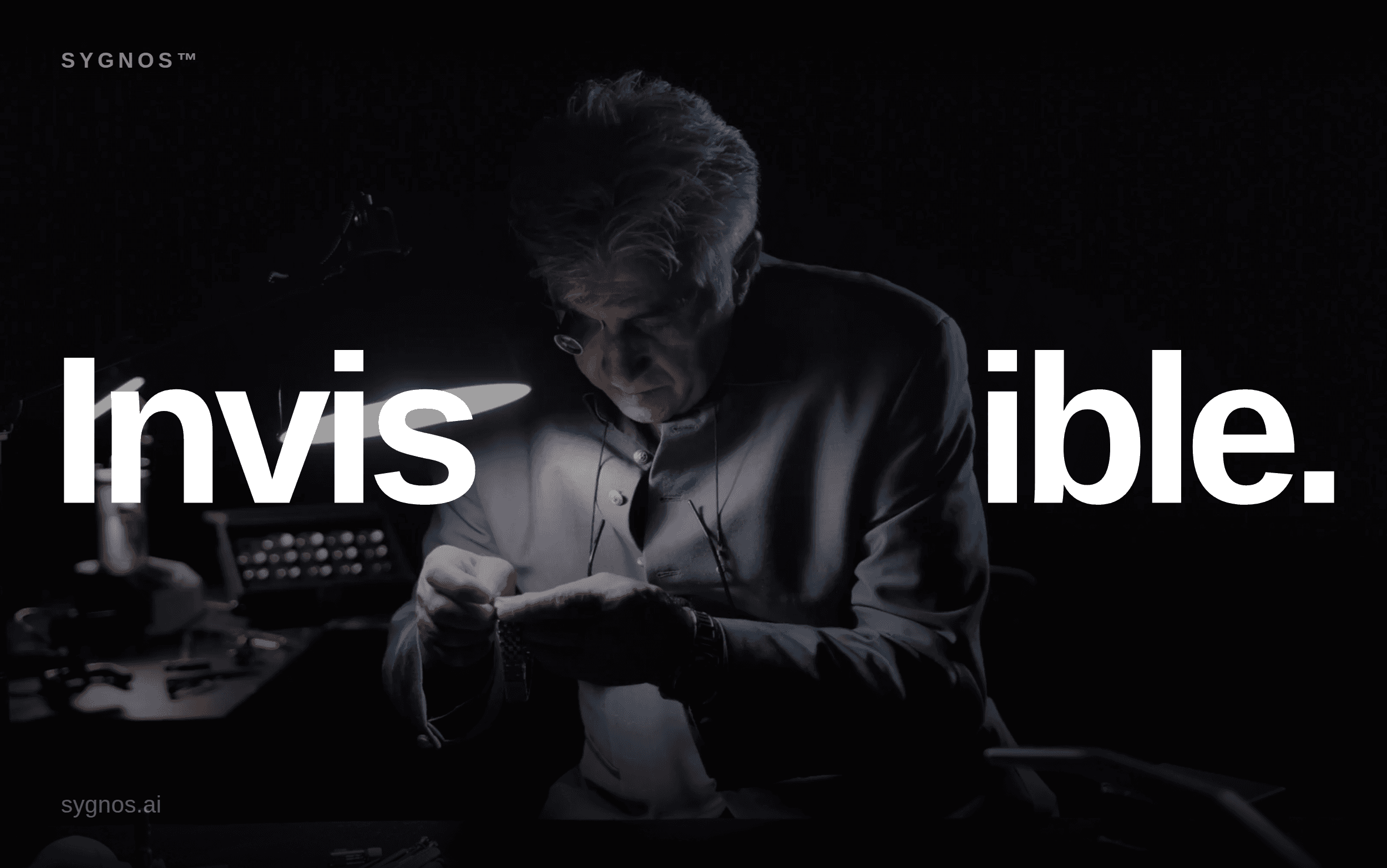
The most qualified person in the room is rarely the highest compensated one. Here's why.
There's a pattern that runs through every service industry, and once you see it, you can't unsee it.
The most qualified person in the room is rarely the highest compensated one. The consultant with the deepest methodology loses the bid to someone with a cleaner proposal. The coach with a decade of documented results watches a newer competitor close clients at twice the rate. The expert who's spent years refining a genuinely sophisticated approach to solving a real problem can't seem to get the market to price it accordingly.
I've watched this happen enough times that it stopped surprising me and started bothering me in a different, quieter way.
The gap between skill and visibility is where extraordinary careers go to stall. And for most expert service professionals, closing that gap is the most important business decision they've never been taught to make.
What Buyers Actually Evaluate
Here's the dynamic most consultants, coaches, and service professionals misunderstand about how buying decisions work.
A buyer sitting across from two options can't evaluate skill before experiencing the work. That evaluation is impossible before the purchase. The only way to truly measure the quality of a service is to be on the receiving end of it, which happens after the purchasing decision, never before.
So what do buyers actually evaluate? Certainty. Specifically, how clearly they can see the path from where they are to where they want to be, and how confident they feel that the person they're hiring knows exactly how to take them there.
This is why structured, visible methodologies win business that superior skill alone doesn't. A named process, a defined sequence, a documented framework, these are certainty assets. They reduce the perceived risk of the purchase. And in service markets where buyers can't verify quality before they commit, reducing perceived risk is one of the most powerful levers any service provider has.
I spent years as a brand and design strategist trying to solve this problem for clients with better logos and better websites. It helped some. The ceiling rarely moved the way it should have. That was the moment I realized I'd been solving the presentation problem when the real problem was the structure problem.
The Invisible Expert Problem
I want to tell you about Jasmine, because she's the person I think about when I think about how costly this pattern becomes when it goes unaddressed.
Jasmine's an HR consultant who spent the better part of a decade helping multi-million dollar organizations hire with precision. She'd developed something genuinely sophisticated: a framework she called conscious hiring, built on the premise that the most overlooked competitive advantage in organizational leadership is who you let in the building.
Her clients never left. Her results were documented and real. By any reasonable measure, she was exceptional at what she did. She was also exhausted in the particular way that only happens when you're giving more than you're receiving and starting to wonder if the math will ever change in your favor.
She told me she'd been thinking about going back to a corporate job.
To a prospective client scrolling through options, her offer looked identical to every other HR consultant's promise. "I help organizations hire better." That sentence could have come from anyone. It probably did. And so buyers defaulted to what buyers always do when they can't see a meaningful difference: they chose the safer option. Sometimes cheaper. Sometimes whoever had the more structured proposal. Either way, someone else.
A record 5.6 million US independent workers crossed the $100,000 mark in 2025, the highest figure ever recorded. The competition for every buyer's attention has never been more concentrated. In that environment, expertise that lives only inside your head isn't a competitive advantage. It's a structural disadvantage.
What Structured Methods Actually Change
The shift that happens when a methodology gets extracted, named, and structured is more significant than most people expect.
When Jasmine's methodology finally had a name, when the sequence she'd been running intuitively through every engagement became a visible, documented framework, the conversation with prospective buyers changed entirely. They weren't comparing her promise to someone else's promise anymore. They were looking at a method. And methods compete on fit, not price.
"Is this the right approach for my organization?" is a fundamentally different question than "can I get this cheaper somewhere else?" The first question attracts a different buyer altogether. A better-resourced buyer who arrived having already self-selected in because the method made clear who it was for.
Her work didn't change. The architecture around it did. And that architecture moved her from a category of many into a category of one.
This is what McKinsey understood when they built the 7-S Framework. What Bain understood when they developed Net Promoter Score. What every major consultancy has known for decades: a named, proprietary method isn't just a delivery tool. It's a positioning asset. It tells the market, before a single conversation begins, that what you offer is specific, structured, and irreplicable.
The difference between a global consultancy and a brilliant independent professional isn't always capability. It's often architecture.
The Extraction Is the Intervention
Here's what I want you to understand clearly: the methodology already exists inside you.
The sequence you've developed through years of client work. The specific way you diagnose problems that nobody else in your space diagnoses the same way. The milestones you've identified because you've watched enough people move through transformation to know exactly where they always stall. That's your intellectual fingerprint. There's no template that generates it. It came from your specific years of doing this specific work with specific human beings who trusted you with something real.
SYGNOS™ was built to extract it.
One guided session. The questions that surface the method that's been living in your practice without a name. What comes out is a Signature System. Your specific sequence, your specific transformation, your specific way of moving people from the problem to the outcome, organized into something the market can see, evaluate, and buy before you ever get on a call.
Most people complete their session in 20 to 25 minutes.
The market has always paid for the visible, structured, named version of skill. The one that reduces a buyer's uncertainty before they have to take a risk on finding out. That structure is what SYGNOS™ builds.
And it's been inside you the whole time.
Build Your Signature System Today
Because what you know is worth more once it's structured.
You might want to read

Business
Use it or Lose It: What Happens to Your Genius When You Stop Showing Up
Every entrepreneur or creator is one season away from walking away. What they leave behind depends entirely on one decision they make before they go.

Branding
Your Name Is Not the Asset. Your Method Is.
StoryBrand. B-School. The Golden Circle. None of those are people. That's exactly the point.

Business
Why Raising Your Price Is the Kindest Thing You Can Do for Your Client
The instinct to make your work more accessible by charging less is costing your clients more than it’s saving them. Here’s the research behind why.
